Know your reference standards.
Molecular characteristics, appearance, solubility and handling for every Cylix reference material — written for the laboratory, framed for in-vitro research only.
This library is analytical reference information about in-vitro laboratory reference standards. It is not dosing guidance, a protocol, or an instruction for use. Nothing sold or described by Cylix Research is for human or animal consumption, injection, or administration of any kind. See our Research Use Only disclaimer.
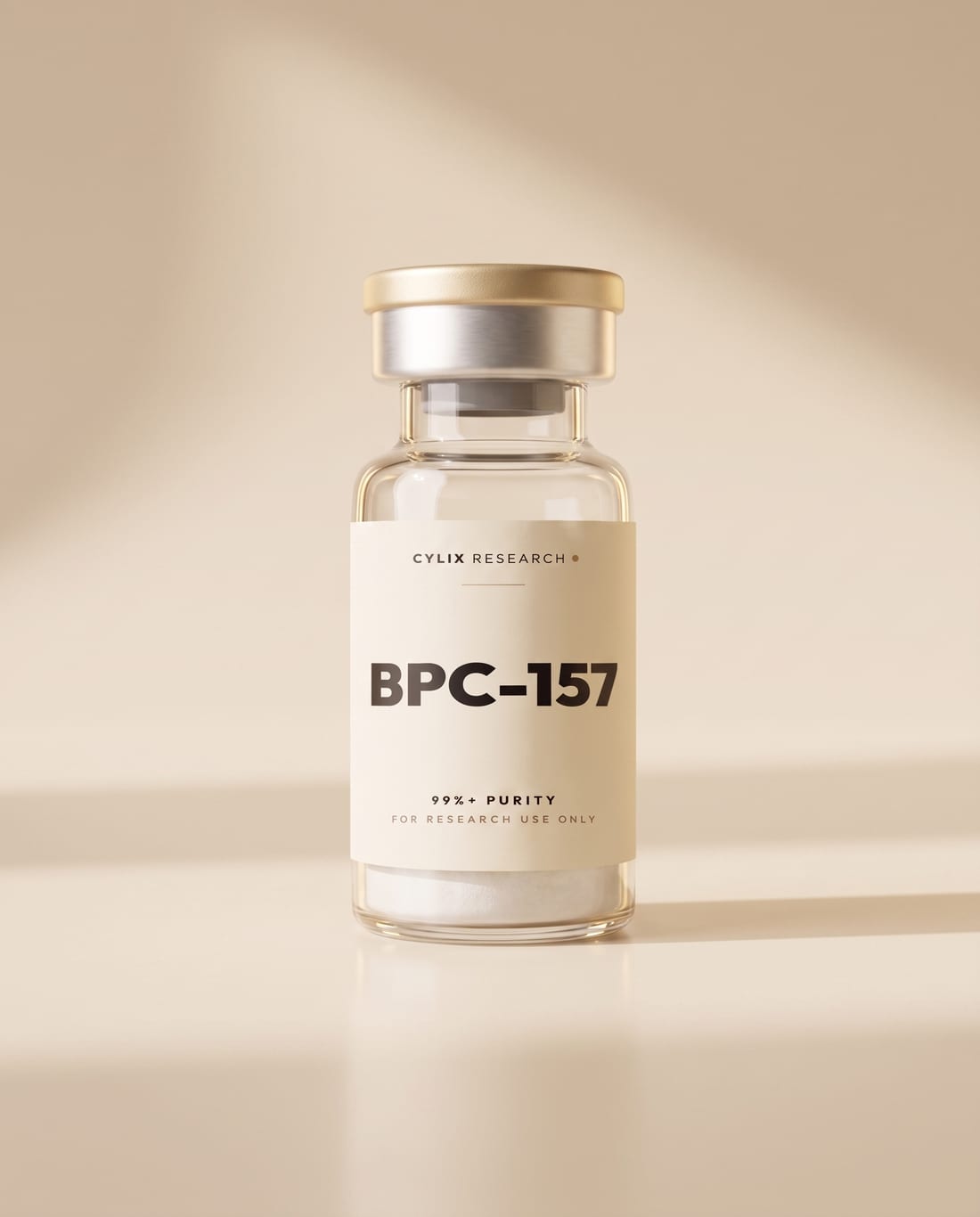
BPC-157 is a synthetic 15-amino-acid compound reference standard derived from a gastric protein fragment.
View reference→TB-500 is a synthetic compound reference standard corresponding to the active region of a naturally occurring actin-binding protein.
View reference→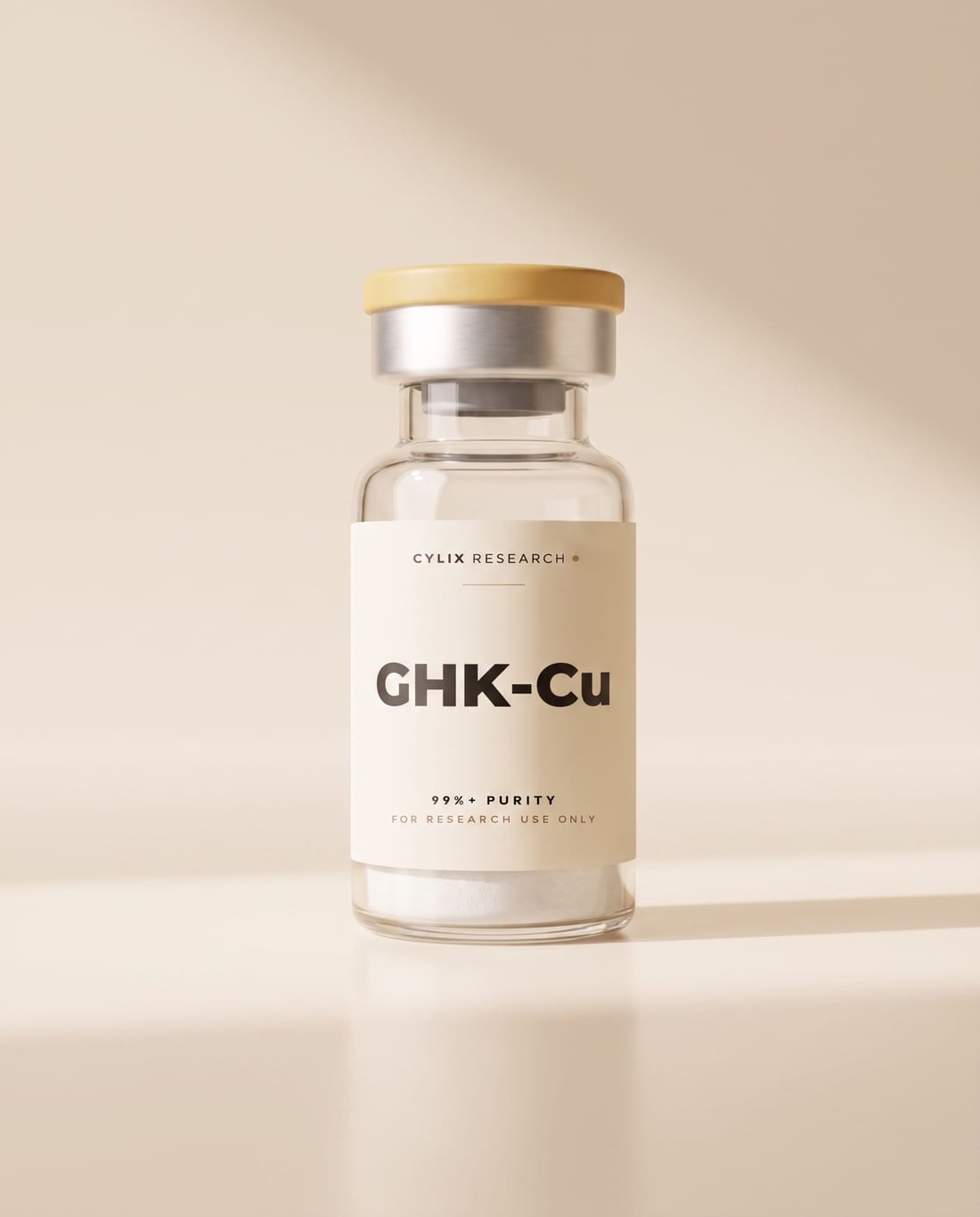
GHK-Cu is a naturally occurring copper-binding compound complex used as a reference standard in matrix-remodelling and copper-transport research models.
View reference→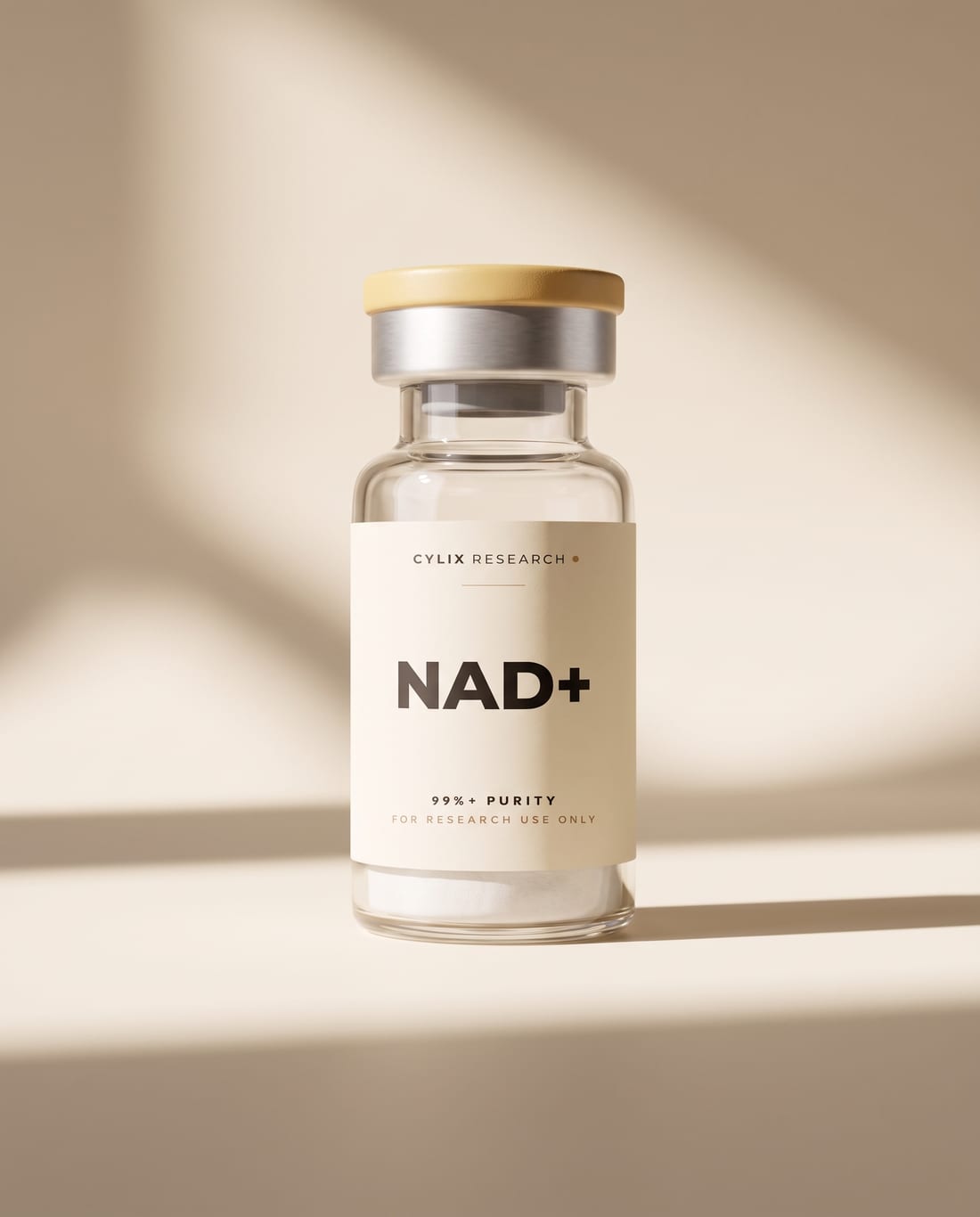
NAD+ (nicotinamide adenine dinucleotide) is a fundamental redox coenzyme supplied as a reference standard for cellular-energy and enzymology research.
View reference→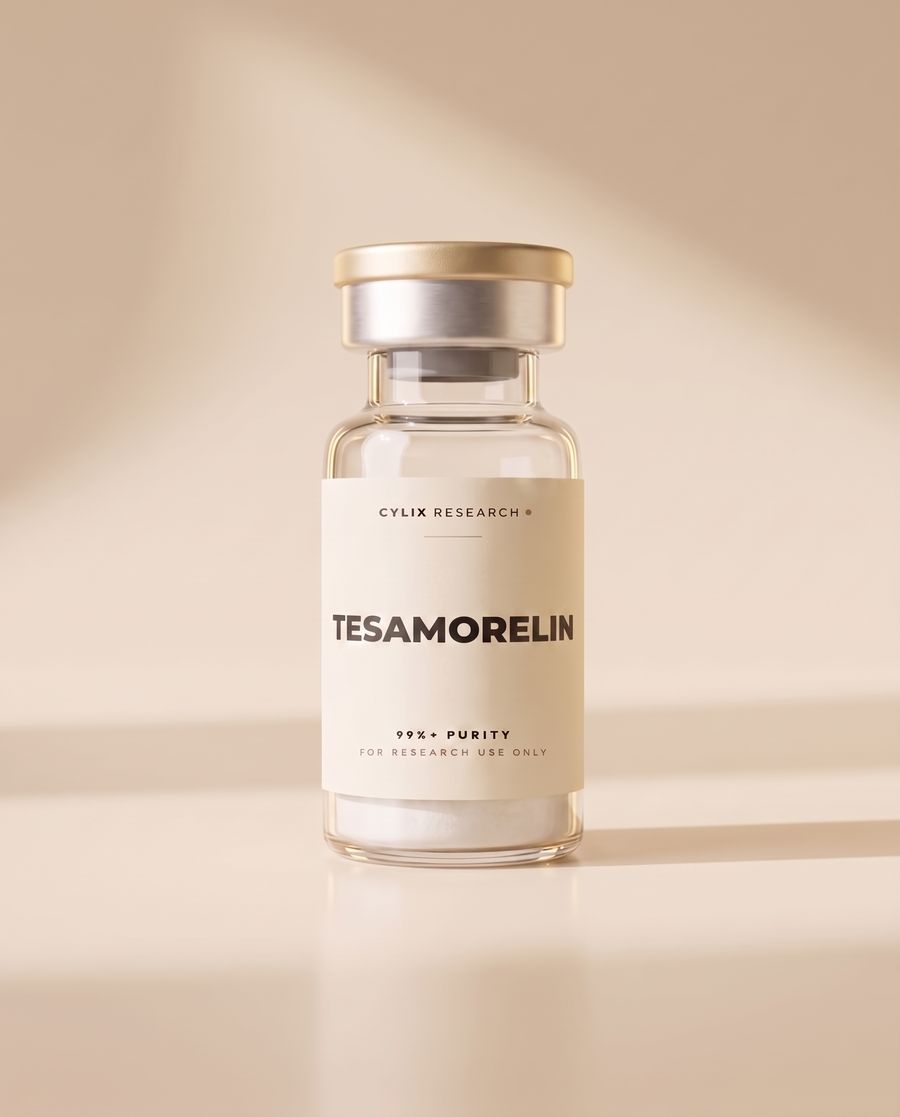
Tesamorelin is a stabilised releasing-factor compound reference standard belonging to the growth-hormone-releasing-hormone analogue class.
View reference→MOTS-C is a mitochondrial-derived compound reference standard studied in vitro for its role in homeostasis and AMPK-related signalling models.
View reference→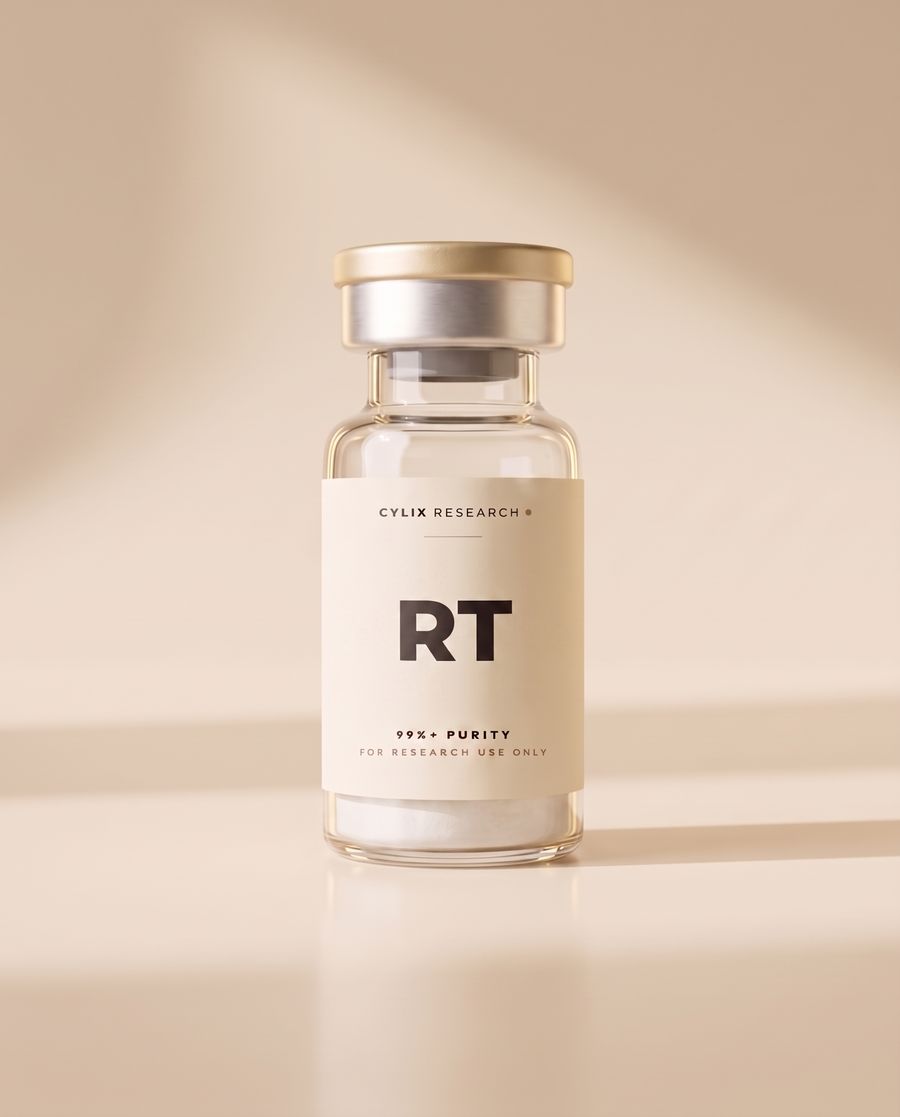
RT is a synthetic multi-agonist compound reference standard in the triple receptor agonist class.
View reference→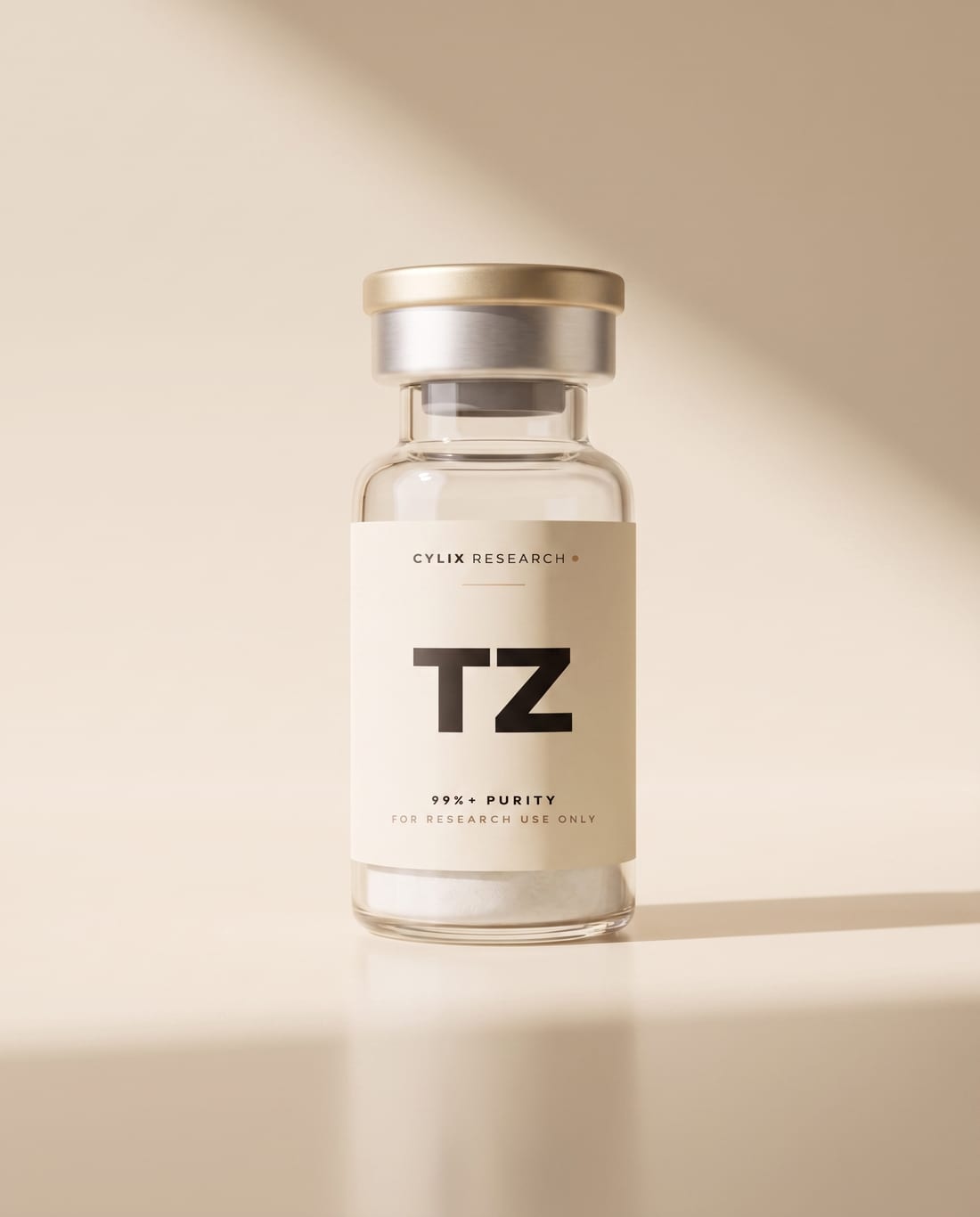
TZ is a synthetic dual-agonist compound reference standard in the dual receptor agonist class.
View reference→SM is a synthetic single-agonist compound reference standard in the receptor agonist class.
View reference→Cagri is a long-acting amylin-analogue compound reference standard studied in vitro for its receptor-binding profile within the amylin-signalling class.
View reference→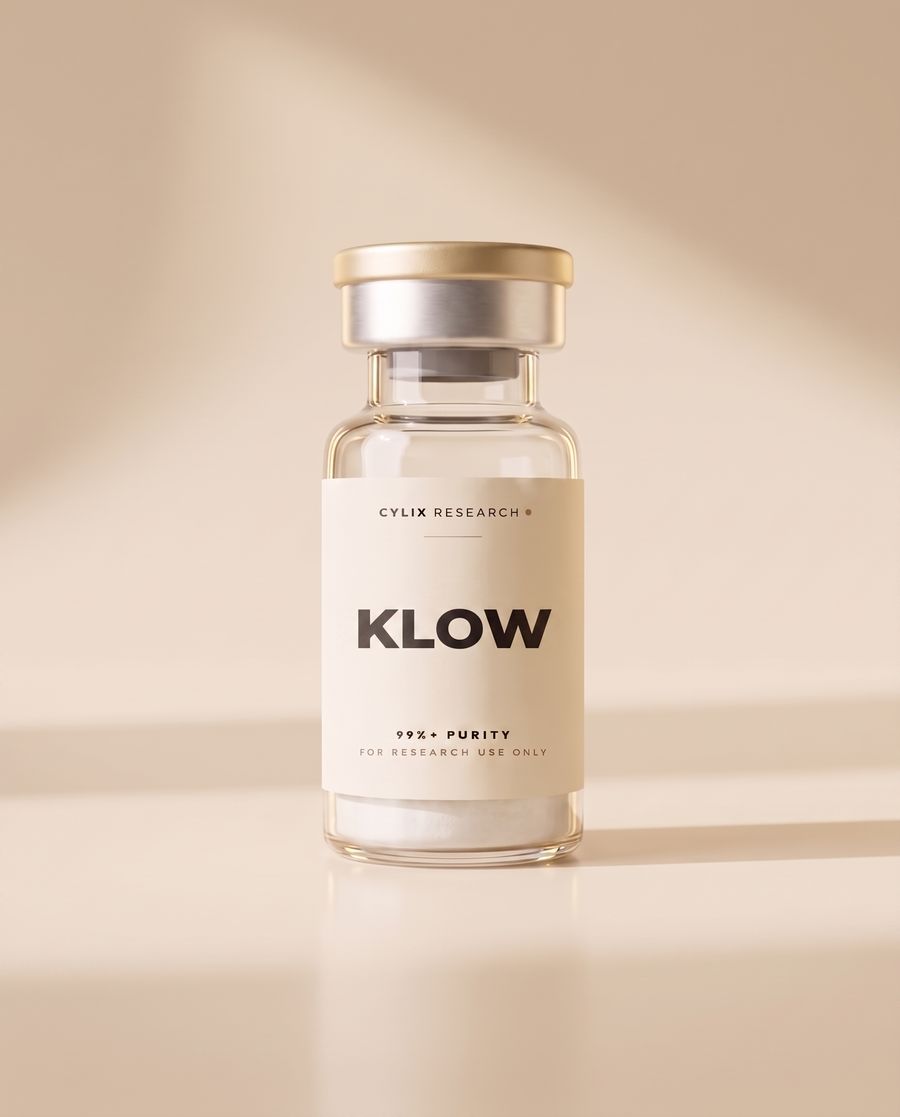
KLOW is a multi-compound reference blend combining several regenerative-signalling reference standards into a single characterisation matrix.
View reference→
Glow is a multi-compound reference blend pairing a copper-compound reference standard with regenerative-signalling compounds for combined in-vitro study.
View reference→Treat it like lab-grade material.
Reference standards ship as a dry, freeze-dried powder. Kept dry and cold, the lyophilized form is stable and travel-tolerant.
Hold unopened powder at −20 °C, protected from light and moisture. A desiccated freezer environment preserves long-term integrity.
Once dissolved, hold solutions at 2–8 °C and minimise freeze–thaw cycles. Prepare only what a given experiment requires.
Every lot is characterised by an independent laboratory for identity and purity. The Certificate of Analysis is the source of truth for a vial.
Do the reconstitution math.
A neutral unit-to-volume converter for preparing reference solutions. Math only — never a dose or a recommendation.
Reconstitution calculator
Neutral units-to-volume math for preparing a laboratory reference solution. For reconstitution math only — this is not a dose or a usage recommendation.
For reconstitution math only. These figures are a neutral unit conversion for preparing laboratory reference solutions and are not a dose, protocol, or recommendation for use in humans or animals. All materials are for in-vitro research use only.
This library is analytical reference information about in-vitro laboratory reference standards. It is not dosing guidance, a protocol, or an instruction for use. Nothing sold or described by Cylix Research is for human or animal consumption, injection, or administration of any kind. See our Research Use Only disclaimer.